Yáhuar Huaca
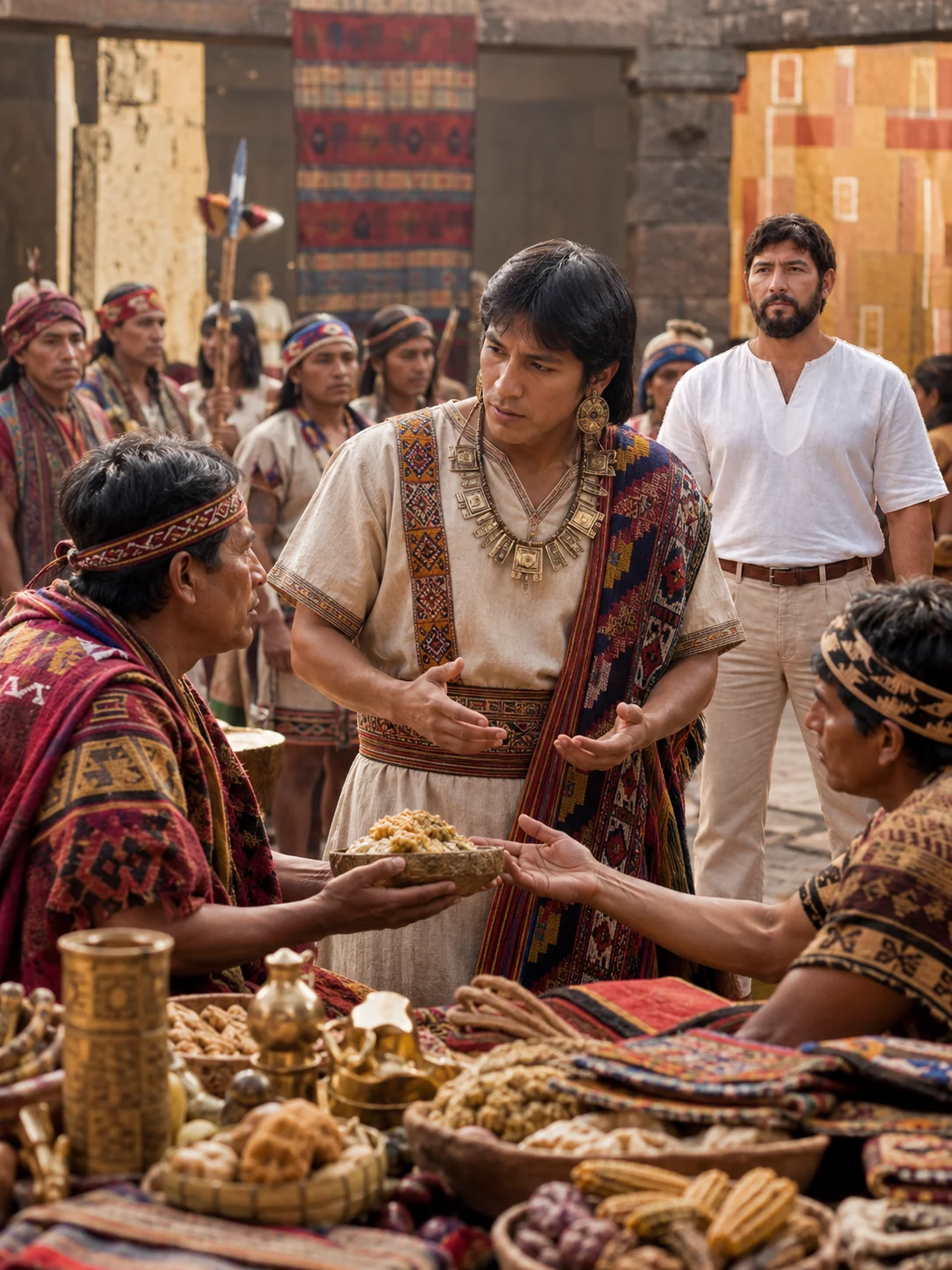
The enduring art of everyday human negotiation
Negotiating means accepting that one’s own power has limits and that stability also depends on the will of others. Diplomacy does not eliminate conflict: it transforms it into a space where different interests can coexist without destroying one another. Yáhuar Huaca demonstrates that logic in a Cuzco sustained by marriages, gifts, and pacts among huayllacanes, ayarmancas, and other rival groups.
Gifts and arrangements were not accessories to politics: they formed part of its language. Where institutions were not yet sufficient to guarantee obedience, personal relationships among rulers, curacas, and lineages had to be renewed constantly. Cohesion depended on persuading, compensating, and offering guarantees.
That permanent diplomacy reveals a truth that remains valid.
Negotiating is not a sign of weakness; it is recognizing that no power governs in a vacuum.
In that sense, negotiating does not mean only avoiding war. It also means recognizing the interests of others, building trust, and sustaining agreements that neither side could impose on its own. Authority that knows how to negotiate gains time, cooperation, and legitimacy. When dialogue disappears, force ends up occupying the space that once belonged to words.
Negotiating intelligently strengthens agreements, reduces conflicts, and preserves collective stability.
Comments
Loading comments...